
Oral History Project
Climate Change Teach-In
Course Syllabi Examples
Public Outreach
- An excellent public outlet for academics is The Conversation: https://theconversation.com/us
- The OpEd Project is a great resource and their team can provide support as well. Their focus is on countering the over representation of male op-ed writers: https://www.theopedproject.org
- Tanya Golash-Boza’s wonderful site Get A Life, PhD has a piece on writing an op-ed: http://getalifephd.blogspot.com/2012/11/how-can-academic-publish-oped.html
Note: As part of our initiative to increase public outreach, we are looking to grow our resources that help section members engage with the wider public (e.g., social media use tutorials, guides for writing opinion pieces, guides for writing press releases, how to talk to policymakers, engagement in public sociology, etc.). If you have any materials or knowledge that you would like to contribute to growing this shared resource, please send an email to Nathan Lindstedt, Section Webmaster, at nathan.lindstedt@wsu.edu.
Oral History Project
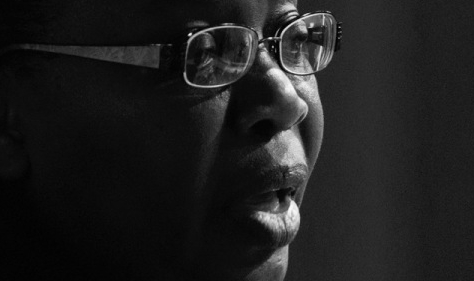
Dorceta Taylor
A video interview between Beth Caniglia and Dorceta Taylor can be viewed here. (MP4)
Penelope Canan
A video interview between Beth Caniglia and Penelope Canan can be viewed here. (MP4)
Shirley Laska
A video interview between Beth Caniglia and Shirley Laska can be viewed here. (MP4)
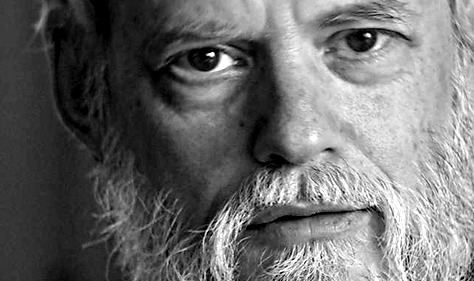
Bill Freudenburg
A transcribed interview between Dana Fisher and Bill Freudenburg can be viewed here. (PDF) This document was presented at the ASA annual meeting in 2011.
Climate Change Teach-In
This is a comprehensive collection of resources for sociology instructors who are considering spending a day on climate change. Suggestions for additional resources are gladly accepted. Please send them to Kari Norgaard at norgaard@uoregon.edu.
The resources are divided into two categories: General Resources, such as readings, films, and internet sites dealing with climate change, and Course-Specific Resources, which offer discussion questions and other materials for courses such as Introduction to Sociology, Social Problems, Sociology of Media, and many others.
General Resources
In addition to the resources listed below, also consult Jim Mulherin’s book list (PDF) on climate change and energy crises.
Members of the section have also compiled an extensive environmental sociology literature on climate change, made available here. (PDF)
General Readings
- Intergovernmental Panel on Climate Change. “Global Warming of 1.5°C”. Special Report Portal. 2018. (link)
- Henson, Robert. The Thinking Person’s Guide to Climate Change: Second Edition. 2019. (link)
- National Academies. “Understanding and Responding to Climate Change”. 2008. A Summary of the State of the Science for General Audiences. (link)
- United Nations Development Programme. “Fighting Climate Change: Human Solidarity in a Divided World”. 2008. (link)
- Intergovernmental Panel on Climate Change. “Synthesis Report”. 2007. (PDF)
- United Nations Framework Convention on Climate Change. “Impacts, Vulnerabilities, and Adaptation in Developing Countries”. 2007. (PDF)
- Hansen, James. “How Can We Avert Dangerous Climate Change?” 2007. (PDF)
- Hansen, James. “The Threat to the Planet”. New York Review of Books. 2006. (link)
- Kolbert, Elizabeth. “Field Notes from a Catastrophe”. Bloomsbury Publishers. 2006. (link)
- Hertzgaard, M. “While Washington Slept”. Vanity Fair. 2006. (link)
- Gore, Al. Remarks Made at NYU-Law. 2006. (link)
- McKibben, Bill. “The Coming Meltdown”. New York Review of Books. 2006. (link)
- Congressional Budget Office. “The Economics of Climate Change: A Primer”. 2003. (PDF)
Films to Consider
- An Inconvenient Truth
- Baked Alaska
- Boiling Point: The Global Climate Crisis
- Everything’s Cool
- Heat (Frontline PBS)
- Hot Politics (Frontline PBS)
Kari Norgaard, Whitman College (previously): Details the political issues involved in global warming; excellent interviews with top officials (gov’t and scientific experts) on global warming and why the U.S. has not been involved in international treaties, etc. Available to watch online, one-hour long, but can view separate chapters. - Oil on Ice
- Out of Balance: ExxonMobil’s Impact on Climate Change
Kari Norgaard, Whitman College: This documentary includes a concise overview of the basic science of climate change (which I skipped over for my class full of Environmental Studies majors), outlines the economic history of the company from its origins as Standard Oil, and shows the strategies ExxonMobil has used to create public confusion about the issue. I recommend stopping the film at the point where one of the commentators notes that the problem is “systemic”. After that quote, the filmmaker advocates boycotting Exxon and switching to biofuels for personal vehicles, recommendations that go against that important structural point. (Plus I would not want to advocate biofuels for many reasons.) - The 11th Hour
Kari Norgaard, Whitman College: Consider showing the middle section on corporate actors and economic structure – important areas of focus conveniently missing from Al Gore’s An Inconvenient Truth. - Rising Waters: Global Warming and the Fate of the Pacific Islands
Websites
- National Academies’ America’s Climate Choices
- Intergovernmental Panel on Climate Change
- Real Climate: Climate Science from Climate Scientists
- Focus the Nation
- Union of Concerned Scientists
- Journalist Ross Gelbspan’s website with updated news stories on climate change from around the world
- Talks recorded from Robert Brulle’s Course on Global Warming
- National Public Radio series on Global Warming
- League of Conservation Voters
- Milken Institute School of Public Health: 53 Sources for Climate Change News
Tips, Actions, Etc.
- Ten Things You Can Do (PDF), from An Inconvenient Truth
- Home Energy Saver, from EnergyStar
Course Specific Resources
Social Problems
Introduction to Sociology
Sociology of Religion
Sociology of Media
Political Sociology / Social Movements
Sociology of Health and Illness / Medical Sociology
Sociology of Emotions
Social Stratification / Environmental Justice
Social Psychology
Social Problems
Courses in Social Problems might consider questions such as: How has climate change been created as a social problem by different interest groups? How does climate change reflect larger questions of how social problems rise and fall in urgency in our society? What examples can be found of social problems indirectly linked to climate change? Does climate change interact with other social problems in particular ways? See the general resources page and also peruse specific ideas for other courses.
Introduction to Sociology
Introductory courses in sociology might consider questions such as: How does social inequality influence different social groups’ vulnerability to climate change? See also other questions and readings listed under media, religion, and stratification below.
Internet Resources:
- Szasz, Andrew, Jeffrey Kiehl, and Michael Loik. “A Climate Change Module for Introduction to Sociology Classes.”
Sociology of Religion
What role do environmental problems play in re-shaping religious communities today? How has the consideration of environmental problems as moral issues changed over time? How has climate change in particular split the evangelical community? What is the significance of a religious dimension of the environmental movement? How might this intersect (or not) with secular aspects of the movement?
Internet Resources:
- Watch the Bill Moyers On America episode, “Is God Green?”
Readings on Religion and the Environment (not specific to climate change):
- Gottlieb, R.S. “A Greener Faith: Religious Environmentalism and Our Planet’s Future”. Oxford University Press. 2006.
- Hendricks, S. “Divine Destruction: Wise Use, Dominion Theology and the Making of American Environmental Policy”. Melville House. 2005.
- McGraw, B. “Rediscovering America’s Sacred Ground: Public Religion and the Pursuit of the Good in a Pluralistic America”. SUNY Press. 2003.
- Tucker, M.E. “Worldly Wonder: Religions Enter Their Ecological Phase”. Open Court. 2003.
Sociology of Media
Courses on Sociology of the Media might address the host of interesting studies on media framing of climate change.
Internet Resources:
- Dana Fisher talks about the youth movement demanding climate action with NewsHour. PBS. 2019. (link)
- Robert Henson discusses global climate change. CCTV. 2016. (link)
- Episode of On the Media with interview of Ross Gelbspan. 2004. (link)
- Journalist Ross Gelbspan’s website with updated news stories on climate change from around the world. (link)
- Competitive Enterprise Institute commercial. (link)
- Environmental Defense global warming commercial. (link)
Readings:
- Antilla, L. “Climate of skepticism: US newspaper coverage of the science of climate change”. Global Environmental Change. 2005. (link)
- Boykoff, M. and Boykoff, J. “Balance as Bias: Global Warming and the US Prestige Press”. Global Environmental Change. 2004. (PDF)
- Dispensa, J. and Brulle, R.J. “Media’s Social Construction of Environmental Issues: Focus on Global Warming”. International Journal of Sociology and Social Policy. 2003. (PDF)
- Gelbspan, R. “Boiling Point”. Basic Books. 2004. (link)
Political Sociology / Social Movements
How does social change happen? What are the most effective methods used to support change according to social science research?
Readings:
- Hertzgaard, M. “While Washington Slept”. Vanity Fair. 2006. (link)
- McCright, A.M. and Dunlap, R.E. “Defeating Kyoto: The Conservative Movement’s Impact on U.S. Climate Change Policy”. Social Problems. 2003. (PDF)
- Buell, F. “From Apocalypse to Way of Life: Environmental Crisis in the American Century”. Routledege. 2004.
- Brulle, R. and Jenkins, J.C. “Fixing the Bungled U.S. Environmental Movement”. Contexts. 2008. (link)
- Bluhdorn, I. “Symbolic Politics and the Politics of Simulation: Eco-political Practice in the Late-Modern Condition”. Environmental Politics. 2007. (PDF)
Internet Resources:
- Jim Mulherin contributed video. (13 min.). “Introduction & 3D Social Network Analysis of Organized Climate Denial Network,” (3+ min.); “Refection on Current Context,” (4 min.); and “Appendices on SNA visualization”. Includes a short clip of Riley Dunlap’s talk at PSU and a brief introduction to 100% renewable electrical energy simulation. (link)
- Supplemental materials for “Introduction & 3D Social Network Analysis of Organized Climate Denial Network”. (link)
- Greenpeace site tracing funding flows from Exxon-Mobil’s anti-global warming campaign. (link)
- BBC series on climate skeptics. (link)
Sociology of Health and Illness / Medical Sociology
Readings:
- Epstein, P.R. “Climate Change and Human Health”. New England Journal of Medicine. 2005. (link)
Sociology of Emotions
Readings:
- Norgaard, K.M. ” ‘People Want to Protect Themselves a Little Bit’: Emotions, Denial and Social Movement Nonparticipation.” Sociological Inquiry 2006. (PDF)
Social Stratification and Environmental Justice
Courses in Social Stratification and Environmental Justice might consider how people’s experience of climate change are organized by race, class and gender. The racialized dimension of exposure to “natural disasters” such as hurricanes obviously hit the public consciousness after Hurricane Katrina. On the opposite end of the inequality spectrum, privileged people may encounter emotions of guilt regarding their perpetuation of the problem.
Internet Resources:
Social Psychology
Social Psychology courses might discuss how people perceive climate change, including how they fail to process information about this topic:
Readings:
- Bazerman, M. “Climate Change as a Predictable Surprise”. Climate Change. 2006. (PDF)
- Norgaard, K.M. ” ‘People Want to Protect Themselves a Little Bit’: Emotions, Denial and Social Movement Nonparticipation.” Sociological Inquiry 2006. (PDF)
- Ungar, S. “Why Climate Change Is Not in the Air: Popular Culture and the Whirlwind Effect”. Proceedings of the Conference on Climate Change Communication, June 22-24, 2000. (PDF)
- Weber, E. “Experience-Based and Description-Based Perceptions of Long Term Risk: Why Global Warming Does Not Scare Us (Yet)”. Climactic Change. 2006. (PDF)
Course Syllabi Examples
Lower Division
Alkon, SOC 111 “Environment and Society”
Broadbent, SOC 1911 “Climate Change and Society”
Cordner, SOC 229 “Environmental Sociology”
Foran, SOC 130SD “The World in 2050: Sustainable Development and its Alternatives”
Foran, INT 133B “What’s Wrong with the World? How Do We Fix It? Perspectives and Solutions from the Environmental Humanities and Social Sciences”
Foran, SOC 134CJ “Climate Justice”
Foran, SOC 134EC “Earth in Crisis”
Godfrey, SOCY 2077 “Environment and Society”
Haney, SLGY 2255 “Environmental Sociology”
Harrison, SOC 4047 “Environmental Justice”
Holt, UES 110A “American South and the World”
Holt, UES 210WR “Environmental Problems and Policy”
Li, SOC 135 “Environment and Society”
Luna, SOC 2077 “Environment and Society”
Mascarenhas, ESPM 262 “Race, Place, and the Environment”
Morrell, SOAN 0236 “Sociology of Food and Agriculture”
Perkins, SOCI 199A “Environmental Inequality”
Perkins, SOCI 199B “Environmental Inequality”
Upper Division/Graduate
Broadbent, SOC 4305 “Society and the Environment: An Enduring Conflict”
Cordner, SOC 353 “Environmental Justice”
Dunlap, SOC 5463 “Environmental Sociology” (Graduate)
Godfrey, SOCY 4047 “Plants and Society”
Harrison, SOC 4047 “Environmental Justice”
Harrison, SOC 4117 “Food and Society”
Harrison, SOC 6007 “Foundations in Environmental Sociology”
Holt, SOC 367 “Environmental Sociology”
Hooks, SOC 2TT3 “Environmental Sociology”
Knight, SOC 369 “Environmental Sociology”
Kojola, ENVI 237 “Environmental Justice”
Li, SOC 333 “Global Environmental Politics”
Mascarenhas, STSS 2300 “Environment and Society”
Mascarenhas, STSS 4965 “Environmental Justice”
McCright, SOC 325 “Science and the Environment: Social Sciences”
McCright, SOC 865 “Environmental Sociology” (Graduate)
Mertig, SOC 415/515 “Environmental Sociology/Society and Environment”
Morrell, SOC 320 “Environmental in(Justice) in America”
Morrell, SOC 370 “Sociology of Knowledge and Food Systems”
Norgaard, ENVS 435/535 “Environmental Justice”
Norgaard, SOC 416/516 “Sociology of Climate Change”
Norgaard SOC 616A “Gender, Race, and Environment”
Norgaard SOC 616B “Gender, Race, and Environment”
Peek, SOCY 5037 “Hazards, Disasters, and Society”
Sapinski, SOCI 437 “Issues in Environmental Sociology and Climate Change”
Sbicca, SOC 324 “Food Justice”
Sbicca, SOC 364 “Agriculture and Global Society”
Sbicca, SOC 562 “Sociology of Food Systems and Agriculture”
Trivette, SOC 489 “Agriculture, Food, and Society”
Trivette, SOC 4999 “Environmental Sociology”
Zinda, SOC 3240 “Environmental Sociology”